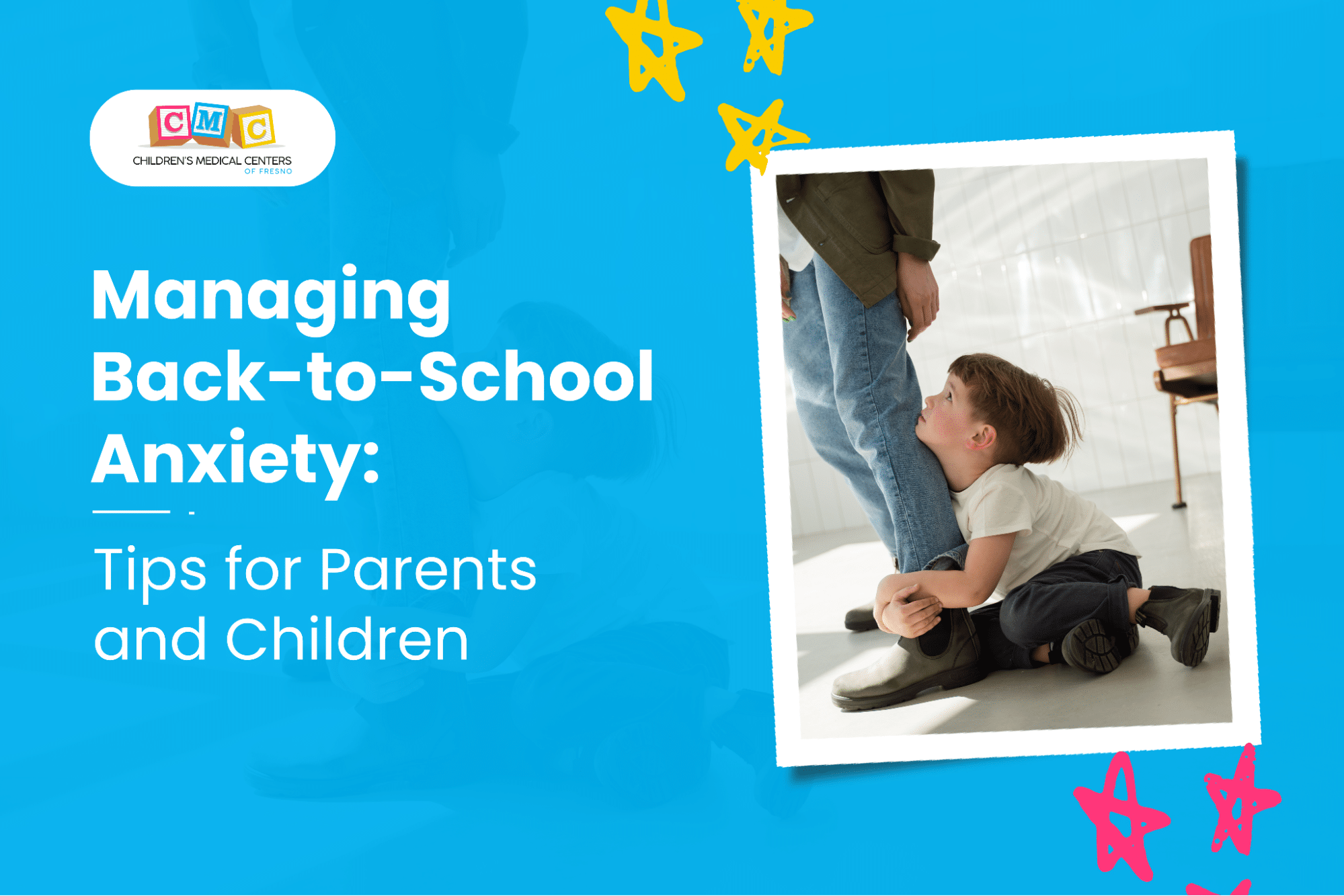
The summer is winding down, and you can feel it. Your child gets quiet when school comes up in conversation, or maybe they’ve started asking a dozen questions about their new classroom.
That uneasy feeling has a name: back-to-school anxiety. It’s incredibly common, and you are far from alone in navigating it. At Children’s Medical Centers of Fresno (CMCFresno), we talk with parents about this every single year, and we’re here to walk you through it step by step.
Turn School Jitters into Confidence
Get Expert Guidance Today
What Is Back-to-School Anxiety?
Back-to-school anxiety is that wave of worry, nervousness, or dread tied to starting or returning to school. It can show up days before school starts, or even weeks in advance.
This isn’t about being dramatic or seeking attention. It’s a real emotional response to change, uncertainty, and new social pressure. Kids of all ages experience it, from kindergarteners to high schoolers.
Think of it like this. Adults get nervous before a new job too. Kids feel that same uncertainty, just without the tools to express it clearly yet.
This anxiety doesn’t always look like worry on the surface. Sometimes it shows up as excitement mixed with dread, or even excessive questions about small details.
The good news is that most back-to-school anxiety is temporary. With the right support, it typically eases within the first few weeks of school.
Signs Your Child May Be Experiencing Anxiety
Child anxiety symptoms can look different depending on age and personality. Some kids get vocal about their worries. Others go quiet or act out instead.
Watch for stomachaches, headaches, or nausea with no clear medical cause. These physical symptoms often spike right before school mornings and ease up afterward.
Other anxiety signs include trouble sleeping, irritability, or sudden clinginess toward parents. Some children also regress in habits like thumb-sucking or bedwetting under stress.
Common Signs by Category:
| Physical | Emotional | Behavioral |
|---|
| Stomachaches | Excessive worry | Clinginess |
| Headaches | Irritability | Avoidance |
| Sleep trouble | Tearfulness | Tantrums |
If you’re also noticing signs of sadness or withdrawal, it’s worth reading our parents’ guide to depression in children.
Older kids might mask their anxiety in kids differently than younger ones. Teens often withdraw socially or become unusually irritable instead of openly expressing worry.
Trust your instincts as a parent here. You know your child’s normal behavior better than anyone, so trust when something feels off.
Start Preparing Before School Begins
Waiting until the night before school starts is a recipe for panic. Preparation works best when it starts gradually, days or even weeks ahead.
Visit the school campus together if possible. Walking the halls and finding the classroom removes a layer of unknown for anxious kids.
Talk through the daily schedule out loud. Knowing what to expect, from drop-off to lunchtime, helps reduce anxiety in kids significantly.
For more general prep tips beyond emotional readiness, check out our back-to-school health tips for kids.
Practice the morning routine a few days early, too. Waking up, getting dressed, and eating breakfast on a school schedule reduces surprises later.
If your child is moving to a new school entirely, extra prep helps even more. Meeting a teacher beforehand or seeing a class photo can ease the transition.
Encourage Open Communication
Kids often won’t say “I’m anxious” outright. They might say their stomach hurts, or they suddenly hate their favorite shirt for picture day.
Ask open-ended questions instead of yes-or-no ones. Try “What are you thinking about school?” instead of “Are you nervous?”
Validate their feelings without dismissing them. Saying “that makes sense” goes much further than “you’ll be fine, don’t worry.”
Here’s a quick scenario. Your son says school is “stupid” out of nowhere. That might actually be code for “I’m scared and don’t know how to say it.”
Make these conversations a regular habit, not a one-time check-in. Daily moments like car rides or dinner work well for low-pressure talks.
Avoid jumping straight to solutions when they open up. Sometimes kids just need to feel heard before they’re ready for advice.
Build Confidence and Independence
Confidence builds through small wins. Let your child practice tasks like packing their own backpack or choosing their outfit.
Independence at home translates to confidence at school. A child who can tie their shoes or open their lunchbox feels more capable in the classroom too.
Praise effort over outcome. “You tried something new today” matters more than “You got everything right.”
Let your child solve small problems on their own too, even if it takes longer. Struggling a little builds resilience that anxiety often tries to undermine.
Celebrate brave moments specifically, not just good grades. Walking into a new classroom alone is a win worth acknowledging out loud.
Create Healthy Habits That Support Emotional Wellness
Emotional health and physical health are deeply connected, more than most people realize. Sleep, nutrition, and movement all play a role in managing school anxiety in children.
Consistent sleep schedules help regulate mood and reduce overall stress. Learn more about why sleep matters for kids and building better bedtime routines.
Outdoor play also works wonders for anxious minds. Explore the benefits of outdoor play for children and how it naturally eases stress.
Myth Busting:“Anxious kids just need more screen time to relax.”
Fact: False. Screens often increase restlessness and disrupt the sleep anxious kids need most.
Nutrition plays a quieter role too, but it still matters. Steady meals and snacks help prevent the blood sugar crashes that worsen irritability and worry.
Building these habits early in the school year pays off all year long. Emotional wellness rarely improves through one big fix, building through small, repeated choices.
Teach Simple Coping Strategies
Coping skills don’t need to be complicated to work well. Deep breathing, counting to ten, or naming five things they see can help.
Practice these strategies during calm moments, not just during meltdowns. Kids learn skills better when they’re not already overwhelmed and panicked.
A simple breathing trick: breathe in for four counts, hold for four, breathe out for four. Repeat this three times during stressful moments.
For more structured tools, our guide on mental health coping strategies for kids offers additional techniques worth trying.
Give your child a “calm down kit” too, even a simple one. A favorite stress ball or photo can offer comfort during overwhelming moments at school.
Remind them these tools take practice to feel natural. The first few tries might feel awkward, but it gets easier with repetition.
Help Children Navigate Social Concerns
Social worry is one of the biggest drivers of back-to-school anxiety, especially in older kids. Will I have friends? Will I sit alone at lunch?
Role-play tricky social situations at home beforehand. Practice how to ask “Can I sit with you?” so it feels less intimidating in the moment.
Reassure them that friendships take time to build. Not every first day ends with a best friend, and that’s completely normal.
Homesickness can also tangle with social worry, especially for younger kids. Read more in our piece on back-to-school blues and homesickness in kids.
Encourage one small social goal instead of a big one. Saying hello to one new classmate feels much more achievable than “make new friends.”
Remind your child that other kids feel nervous too, even if it doesn’t show. This perspective alone can ease a surprising amount of social pressure.
Know When to Seek Professional Help
Some worry is normal, but persistent anxiety that disrupts daily life is different. If symptoms last for weeks, it may be time to get support.
Watch for anxiety that affects eating, sleeping, or school attendance consistently. These patterns suggest something beyond typical back-to-school jitters.
Emergency Response Guidance: If your child expresses thoughts of self-harm or extreme hopelessness, seek help immediately. Contact your pediatrician or a crisis line right away.
Not sure if it’s time to reach out? This guide on when to seek a pediatrician for behavior problems can help you decide. Our team also offers dedicated pediatric behavioral health support for families navigating these concerns.
There’s no shame in seeking extra support either. Early intervention often makes a bigger difference than waiting until things feel unmanageable.
A pediatrician can also rule out underlying medical causes for symptoms. Sometimes what looks like anxiety has a physical root worth exploring too.
Partner With Teachers and School Staff
Teachers see your child in a different environment than you do. Their insight can be incredibly valuable for understanding anxiety patterns.
Reach out early in the school year, not just when problems arise. A quick email introducing your child’s needs builds a helpful foundation.
Ask teachers to flag any changes in behavior or mood. A team approach between home and school makes managing anxiety far more effective.
Share specific strategies that work at home too. If a certain calming technique helps your child, teachers can often use it during the school day as well.
Check in periodically throughout the year, not just at the start. Anxiety can resurface around big tests, holidays, or schedule changes too.
Every Child Adjusts in Their Own Time
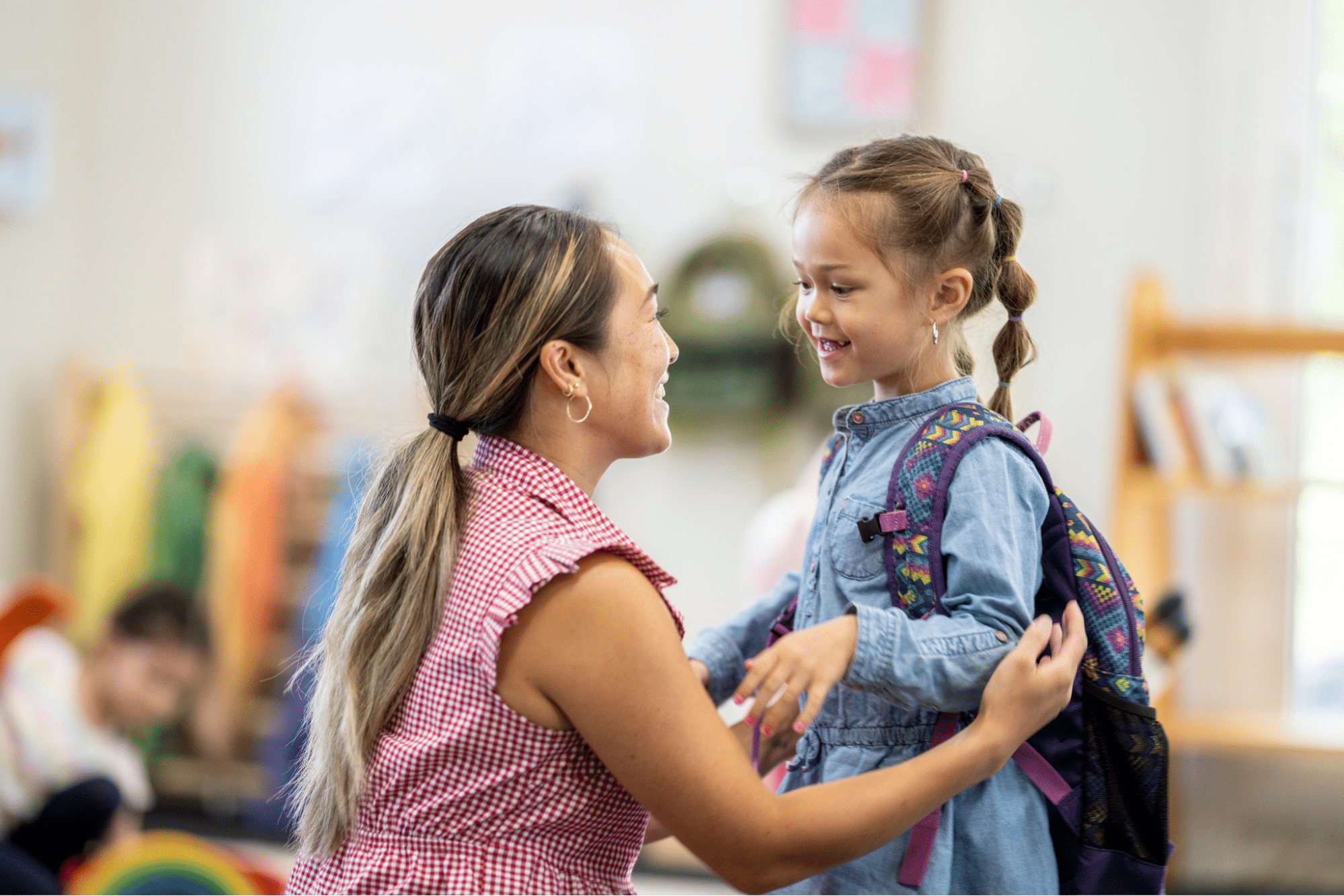
Managing back-to-school anxiety takes patience, communication, and a little extra preparation, but it absolutely gets easier with the right support. You don’t have to navigate this season alone.
Children’s Medical Centers of Fresno (CMCFresno) is here for every part of your child’s health journey, including their emotional wellbeing. Our experienced team understands anxiety in kids and offers compassionate, personalized care for families across Fresno.
Remember that progress doesn’t happen overnight, and that’s okay. By creating a supportive environment at home and staying connected with your child’s teachers and healthcare provider, you can help them develop healthy coping skills that extend far beyond the classroom. With patience and encouragement, each school day becomes another opportunity for your child to grow in confidence and resilience.
Help Anxious Minds Feel School-Ready
Schedule a Visit Today
FAQs
Yes. Many children feel nervous before a new school year begins. For most kids, those worries ease as they settle back into their routine.
Every child is different, but many adjust within a week or two. If your child's worries continue or begin affecting sleep, appetite, or daily activities, it may be time to seek extra support.
It can. A routine wellness visit gives your pediatrician a chance to check your child's overall health, talk about any emotional concerns, and recommend the right next steps if needed.
Shyness usually means a child takes time to warm up in new situations. On the other hand, anxiety can cause ongoing worry that makes everyday activities, like going to school or joining in with others, feel difficult.

 inquiry@cmcfresno.com
 (559) 455-1500