If you live in Fresno, you’ve probably heard of Valley fever. It’s a lung infection caused by a fungus found in our dry soil and dust, and it’s becoming more common. According to the California Department of Public Health, Fresno County reported 448 cases in 2022, 626 in 2023, and 540 cases from January through July 2024, surpassing the total from 2022 in just seven months.
Kids may be at higher risk when they spend more time playing outdoors, which can increase exposure, especially on windy or dusty days.
In this blog, we’ll share simple steps to protect your little ones. But first, we’ll get to know what we’re dealing with, the common Valley fever symptoms, how it’s diagnosed in children, and effective treatment options. And as always, CMCFresno is here to support your family with trusted, compassionate care when it matters most.
Don’t Miss the Signs of Valley Fever
What Is Valley Fever?
Valley fever, or coccidioidomycosis, is an infection caused by breathing in spores of a fungus that lives in the soil. These spores can become airborne when the ground is disturbed—something that happens often in dry, dusty areas like Fresno and much of California’s San Joaquin Valley. Once inhaled, the spores can infect the lungs and, in some cases, spread to other parts of the body.
While many people recover without needing treatment, children can sometimes develop more severe symptoms because their immune systems are still growing and learning to fight off infections. That’s why awareness is crucial for parents.
Kids who are at higher risk include:
- Children under age 12
- Kids with chronic health conditions or weakened immune systems
- Children who often play outdoors, especially in dusty conditions
Knowing who’s most at risk helps you take extra precautions, like limiting your kids’ exposure to dusty areas and encouraging better hygiene. Next, let’s look at the symptoms to watch for.
How Kids Can Get Valley Fever
Valley fever spreads when tiny fungal spores become airborne. Your child might breathe in dust particles during outdoor play, sports, or chores if dust levels are high.
Activities that can stir up these spores include:
- Playing outside during dust storms
- Sports practices on dry, dirt fields
- Yard work, gardening, or digging in dry soil
- Spending time near construction or farming sites
Important to know: If you’re wondering, “Is Valley fever contagious?” The answer is no. Kids can’t pass it to each other like a cold or flu. It is only spread through the air from the environment.
Signs and Symptoms of Valley Fever in Children
Recognizing Valley fever symptoms can help you take action early. Valley fever can resemble a cold, flu, or allergies, making it challenging for parents to identify the illness early.
Common early symptoms in kids include:
- Fatigue that doesn’t go away
- Fever and chills
- Cough or chest discomfort
- Headaches
- Muscle or joint pain
These can be among the early signs of valley fever, making it crucial not to ignore lingering or unusual health changes.
Here are other possible signs:
- A red, spotty rash (especially on the lower legs)
- Stiff or swollen joints
- Night sweats
Kid-specific warning signs:
- Irritability or fussiness
- Decreased appetite
- Low energy or unusual tiredness
- Skin rash
If symptoms linger for more than a week or worsen, call your pediatrician, especially if your child has recently been in a dusty area.
How Valley Fever Is Diagnosed
Since early signs of Valley fever may resemble flu symptoms such as fever, cough, body aches, or fatigue, your child’s pediatrician may use a few tools to confirm Valley fever.
Standard tests for Valley fever include:
- Blood tests to check for antibodies
- Chest X-rays to spot lung inflammation
- Fungal cultures for more detailed confirmation in certain cases
Valley Fever Treatment Options
Most mild cases in children get better with rest, fluids, and close monitoring at home.
If symptoms are more severe, your child’s doctor may prescribe antifungal medications such as fluconazole or itraconazole. Recovery can take several weeks, and follow-up visits may be needed to make sure the infection is gone.
Hospital care may be necessary if your child has:
- Trouble breathing
- Severe chest pain
- Signs the infection has spread beyond the lungs
How Parents Can Protect Their Kids
While there’s no vaccine for Valley fever yet, you can lower your child’s risk with a few precautions:
- Keep kids indoors during dust storms or windy, dry days.
- Wash their hands and face after outdoor play.
- Close windows on high-dust days and use air purifiers if possible.
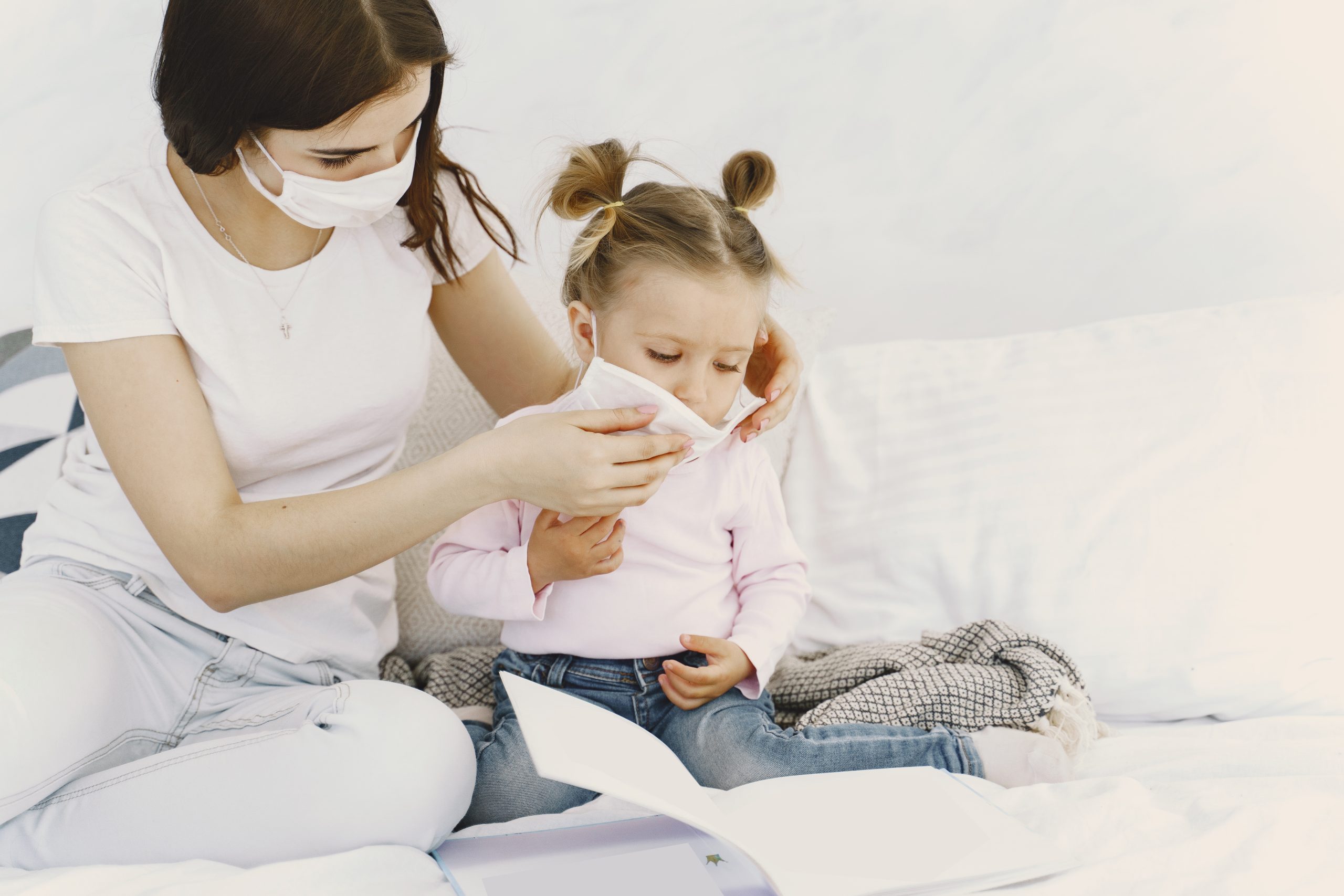
- Have kids wear a mask when helping with dusty chores or playing near construction areas.
Awareness is key. Knowing how Valley fever spreads helps you take action early and protect your loved ones. The more informed we are, the safer our families can be.
Don’t Let Valley Fever Catch You Off Guard

Valley fever in Fresno may be scary, but with quick action and the right care, most children recover fully and return to their regular routines.
At CMCFresno, we’re here to help you recognize symptoms early, create valley fever treatment plans tailored to your child, and share prevention strategies to protect your family year-round.
Your child’s health is our priority, and together, we can keep Valley fever from catching you and your little one by surprise.
Keep Valley Fever Off Your Family’s Worry List
Valley Fever FAQs
Most people who recover develop lasting immunity, but it’s not guaranteed. Some individuals may experience it again, particularly if their immune system weakens.
Most household air purifiers can’t filter spores unless they have a true HEPA filter, which can capture particles small enough to include fungal spores.
Yes. Those with asthma may experience more intense breathing difficulties and may take longer to recover.
Symptoms may appear one to three weeks after breathing in the spores. This delay can make it tricky to link the illness to a specific day or activity.

 inquiry@cmcfresno.com
 (559) 455-1500