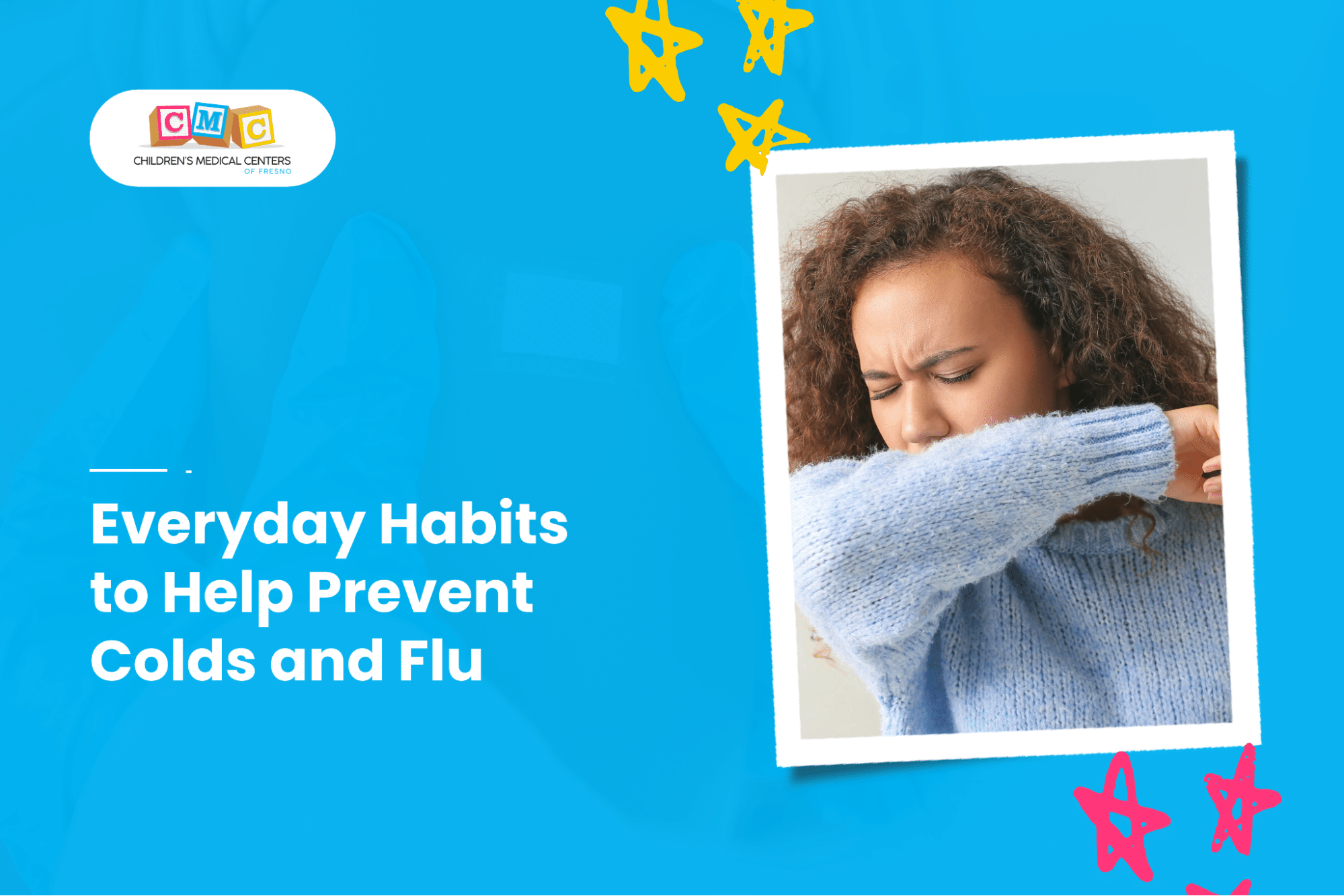
When one family member catches a cold or the flu, it’s easy for others at home to get sick, too. Children can pick up viruses at school and bring them home, while shared spaces and close contact make it easier for infections to spread.
Although you can’t avoid every germ, there are practical ways to lower your family’s risk of getting sick. Simple habits like washing your hands, covering coughs, keeping shared spaces clean, and staying up to date on vaccinations can make a difference.
At CMCFresno, we provide care for children and families throughout Fresno. If you have questions about flu vaccinations or your family’s health, contact our team.
Protect Your Family From Viruses
Book an Appointment Now
8 Tips to Avoid Cold and Flu Viruses
Now, let’s get into eight everyday tips to help protect your family from common cold and flu viruses, along with advice on when to stay home and when to seek medical care.
1. Get your yearly flu shot
Getting vaccinated each year is one of the best tips to avoid colds and the flu. Flu viruses change over time, so the vaccine is updated to target the strains expected to circulate each season.
While the flu shot does not prevent the common cold, it can reduce your risk of getting the flu and lower the chances of serious complications if you do become infected.
A helpful reminder: Schedule flu vaccinations for eligible family members before flu activity increases in your area.
2. Wash your hands regularly
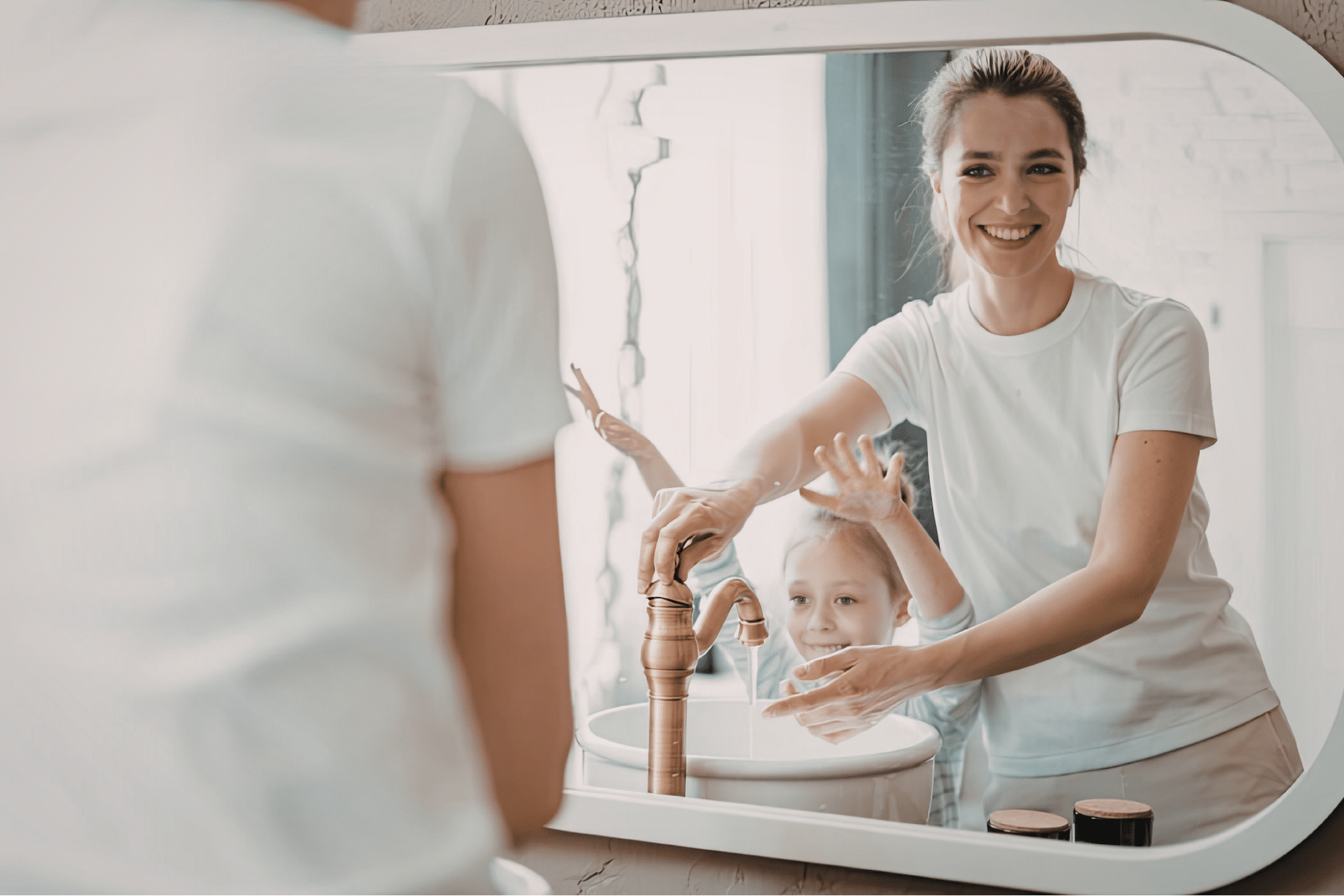
Your hands come into contact with shared surfaces throughout the day. Washing them regularly helps remove germs before they can enter your body or spread to other people.
Use soap and clean running water. Scrub your hands for at least 20 seconds, including between your fingers and under your nails.
Remember to wash your hands:
- Before preparing or eating food
- After using the bathroom
- After coughing, sneezing, or blowing your nose
- After returning home from public places
- After caring for someone who is sick
If soap and water aren’t available, use hand sanitizer containing at least 60% alcohol.
3. Avoid touching your face with unwashed hands
Viruses can enter your body through the eyes, nose, and mouth. Touching your face with unwashed hands can transfer germs from contaminated surfaces to these areas.
This can be especially difficult for younger children who frequently touch their faces without realizing it.
Encourage children to wash their hands throughout the day and use clean tissues when wiping their noses or eyes.
4. Cover coughs and sneezes
Coughing and sneezing can release respiratory droplets that spread viruses to people nearby. Covering your mouth and nose helps reduce this spread.
Use a tissue when coughing or sneezing, then throw it away and wash your hands. If you don’t have a tissue, use your elbow instead of your hands.
Remind children to follow the same practice, especially when they’re around classmates, siblings, or other family members.
5. Limit close contact with people who are sick
Respiratory viruses can spread through close contact with an infected person. If someone in your household is sick, try to limit prolonged face-to-face contact when possible.
You can also take a few precautions:
- Avoid sharing drinking glasses, utensils, and towels.
- Keep some distance while the sick person recovers.
- Encourage them to stay home while they’re contagious.
- Consider wearing a well-fitting mask when close contact is necessary.
If you’re feeling sick, stay home when possible to avoid spreading the infection to others.
6. Clean frequently touched surfaces
Some germs can remain on surfaces after an infected person touches them. Regular cleaning can help reduce the spread of viruses around your home.
Pay particular attention to items that several family members use throughout the day, including:
- Doorknobs and cabinet handles
- Light switches
- Phones and tablets
- Remote controls
- Faucets and bathroom handles
- Kitchen counters
Clean these surfaces regularly, especially when someone in your household is sick. Follow product instructions when using household disinfectants.
7. Maintain healthy daily habits
Sleep, nutrition, and physical activity all contribute to your overall health. While these habits cannot guarantee protection against colds or the flu, they support the body’s normal immune functions.
Help your family maintain healthy routines by:
- Getting enough sleep for each family member’s age.
- Eating balanced meals with fruits, vegetables, and other nutritious foods.
- Staying physically active through walking, playing, or other enjoyable activities.
- Drinking enough water throughout the day.
8. Improve indoor ventilation
Respiratory viruses can spread through the air, particularly in crowded indoor spaces with limited ventilation. Bringing fresh outdoor air inside can help reduce the concentration of airborne virus particles.
When weather and outdoor conditions allow, open windows and doors to improve airflow. You can also use properly maintained ventilation systems or air purifiers with HEPA filters.
These steps are especially helpful when several people share the same indoor space or when someone at home is recovering from an illness.
What Is the Most Effective Way to Prevent Cold and Flu?
There isn’t one method that prevents cold or flu. A combination of preventive measures offers better protection.
For seasonal flu, annual vaccination is one of the most important preventive steps. Pair it with regular handwashing, good respiratory hygiene, and avoiding close contact with people who are sick.
The common cold is caused by many different viruses, and there is currently no vaccine that prevents all of them. Everyday hygiene and efforts to reduce exposure remain important.
It’s also worth remembering that babies younger than 6 months cannot receive a flu vaccine. The CDC recommends that household members and other caregivers get vaccinated to help protect these infants.
When to Stay Home and When to Seek Medical Care
Knowing when to rest at home and when to consult a healthcare provider can help prevent further spread and ensure that symptoms receive proper attention.
| Stay home and monitor symptoms | Contact a healthcare provider |
|---|
| Mild cough, runny nose, or congestion | Difficulty breathing or unusually fast breathing |
| Fever, body aches, or fatigue | Signs of dehydration, such as very little urination |
| Symptoms that can be managed with rest and fluids | Fever that lasts several days or returns after improving |
| Symptoms that are gradually improving | Unusual drowsiness or difficulty waking |
| Fever in a baby younger than 3 months |
For respiratory illnesses, the CDC generally recommends staying home until symptoms are improving overall and you have been fever-free for at least 24 hours without using fever-reducing medication. Additional precautions, such as masking and improving indoor ventilation, can help reduce the risk of spreading the infection when you return to your usual activities.
Seek immediate medical attention if you or your child has difficulty breathing, severe dehydration, or is difficult to wake.
Young children, older adults, pregnant individuals, and people with certain underlying health conditions may be at higher risk of complications from the flu. If you’re unsure whether your child has a common cold, the flu, or another respiratory infection, a medical evaluation can help determine the appropriate next steps.
Help Protect Your Family During Cold and Flu Season
You don’t have to change your family’s entire routine to reduce the spread of cold and flu viruses. Start with the basics: keep vaccinations up to date, wash hands regularly, cover coughs and sneezes, and stay home when sick.
These habits are useful throughout the year, not just during flu season. Practicing them consistently can help protect your household and the people you interact with every day.
Keep Your Family Healthy Year-Round
Get trusted care from our pediatric team
FAQs
No. Colds are caused by viruses, not low temperatures. However, colder weather often means spending more time indoors and in close contact with others, which can make it easier for viruses to spread.
No. Flu vaccines cannot cause influenza. Some people experience mild side effects, such as soreness at the injection site, a low-grade fever, or fatigue. These usually resolve on their own.
Colds usually develop gradually and cause symptoms such as a runny nose, sneezing, and a sore throat. The flu often comes on more suddenly and may cause fever, body aches, headaches, and significant fatigue. A healthcare provider can help determine the cause of your symptoms.
Stay home until your symptoms have improved overall and you've been fever-free for at least 24 hours without taking fever-reducing medication. Take additional precautions for the next five days to reduce the risk of spreading the virus to others.

 inquiry@cmcfresno.com
 (559) 455-1500