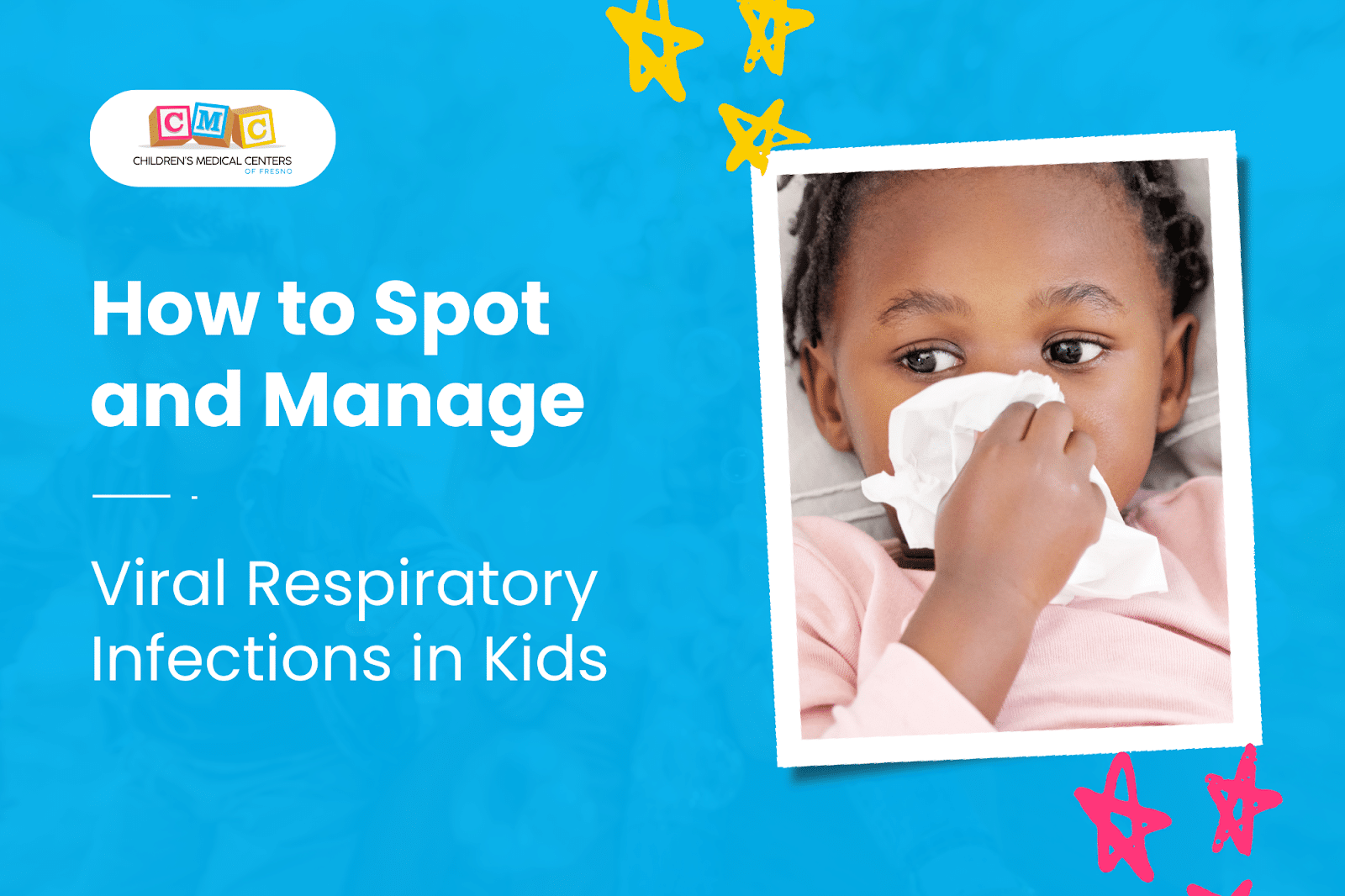
It starts with a sniffle, a little cough, and the next thing you know, your child feels off. While all of us have been through this when we were little, it’s normal for any parent to worry. Viral respiratory infections, or RTIs, occur when common viruses like RSV, influenza, or the common cold affect a child’s nose, throat, or lungs. Almost every child gets at least one RTI each year, especially during school or daycare seasons.
These infections can ripple through the family. Kids miss school, parents miss work, and everyday routines halt. Thankfully, most infections remain mild and pass with a little extra care and attention at home. Think about how you overcame RTIs as a child, and add in a little foresight and strategy as an adult.
By keeping an eye on early signs and taking simple preventive steps, you can help your child feel better faster. In this blog, we’ll walk you through the symptoms to watch for, how to manage them at home, ways to prevent infections, and advice from the caring pediatric experts at CMCFresno.
Protect Your Child’s Respiratory Health
Connect with Our Pediatric Team
What Are Viral Respiratory Infections?
Viral respiratory tract infections, or RTIs, happen when viruses invade a child’s nose, throat, or lungs. Doctors classify them into two main types:
- Upper respiratory tract infections (URTIs) – Affect the nose, sinuses, and throat. Examples include the common cold and mild throat infections.
- Lower respiratory tract infections (LRTIs) – Affect the windpipe and lungs. Examples include bronchitis, bronchiolitis, and pneumonia, which can be more serious in young children.
Children are more vulnerable to these infections because their immune systems are still developing. Their bodies are learning to fight viruses, which is why RTIs are so common and sometimes become more frequent throughout the year.
Common respiratory viruses that cause RTIs in kids include:
- RSV (Respiratory syncytial virus) – Often causes bronchiolitis in infants.
- Influenza (Flu) – Can bring high fever, fatigue, and body aches.
- Rhinovirus – The main cause of the common cold.
- Adenovirus – Causes cold-like symptoms and sometimes eye infections.
- Parainfluenza virus – Can lead to croup and other mild illnesses.
Viral RTIs are extremely common. Preschool-aged children typically get 6 to 8 colds per year, and nearly all kids experience multiple infections by the time they start school. Being aware of what to expect can help parents manage symptoms and support their child’s quickest path to recovery.
Common Symptoms to Watch Out For
Spotting early respiratory virus symptoms helps you act fast to ease your child’s discomfort. It also guides you in deciding when to reach out to a pediatrician.
Many viral infections start with mild, familiar symptoms that parents often see with a cold, such as:
- Nasal congestion or a runny nose
- Cough
- Mild fever
- Fatigue or low energy
- Irritability or fussiness
Most of the time, these symptoms improve with rest, hydration, and care at home. Some signs, however, require immediate attention, including:
- A high fever that doesn’t respond to medication
- Difficulty or rapid breathing
- Wheezing or persistent cough
- Persistent vomiting
- Signs of dehydration, such as dry lips, little urine, or sunken eyes
- Extreme lethargy or unusual sleepiness
The difference between a common cold and something more serious is how severe the symptoms are and if they continue to worsen. Mild symptoms can be managed at home, but high fever, trouble breathing, or extreme fatigue warrant a call to your pediatrician. Trust your instincts. If your child seems unusually unwell or symptoms worsen, a pediatric expert can provide guidance and reassurance.
How Viral RTIs Spread
Understanding how a viral respiratory illness spreads can help you protect your child and the whole family. These viruses move easily from person to person, especially in settings where kids gather and play.
Common ways a respiratory virus spreads include:
- Person-to-person droplets: When someone coughs, sneezes, or even talks, tiny droplets carrying the virus can reach others nearby.
- Contaminated surfaces: Viruses can survive on doorknobs, toys, or shared objects. Children can catch the virus by touching these surfaces and then rubbing their eyes, nose, or mouth.
- Crowded environments: Schools, daycare centers, and playgrounds make it easier for viruses to pass between children.
Helping children build simple health habits early sets them up for lifelong protection. These habits reduce the risk of infection, even when kids are at school or away from home. Encourage your child to:
By teaching children these habits early and modeling them as parents, you can help lower the chances of viral infections and keep your family healthier throughout the year.
Treatment and Management
While utmost care and planning can significantly prevent the spread of viral respiratory infections, children can still catch a virus in unexpected ways, so your next step is knowing how to manage them at home. The good news is that most viral infections in children resolve on their own with rest, plenty of fluids, and simple symptom relief.
Effective respiratory infection treatment often focuses on comfort and supportive care rather than medication:
- Encourage plenty of rest and hydration
- Use pediatric fever reducers or decongestants as directed.
- Avoid antibiotics unless prescribed.
- Ease symptoms with a humidifier, saline nasal sprays, or warm fluids.
With careful home care and attention to warning signs, you can help your child recover comfortably while being ready to contact a pediatrician when needed.
Prevention Strategies Parents Should Follow
The best way to protect your child from viral respiratory infections is through simple, consistent habits and measures. While it’s impossible to avoid every virus, these steps can mean fewer sick days, fewer doctor visits, and more time in school and activities.
Here are some practical strategies parents can follow:
- Vaccinations – Don’t miss annual flu shots, COVID-19 vaccines, and other recommended immunizations.
- Hand hygiene – Wash hands regularly, cover coughs and sneezes, and wear a mask in crowded or high-risk settings
- Limit exposure – Keep children home during outbreaks or when they feel unwell.
- Support the immune system – Encourage a balanced diet, adequate sleep, and regular physical activity.
CMCFresno provides preventive care services such as well-child visits and routine vaccines to help families stay ahead of infections and keep children healthy.
Protect Your Child’s Respiratory Health Year-Round

Viral respiratory infections are a common part of childhood, and most children recover well with rest, care, and a little extra attention. Staying aware of symptoms and responding early can make these illnesses easier to manage and less stressful for the whole family.
Simple preventive steps, such as good hygiene, healthy routines, and timely medical guidance, go a long way toward keeping children well. When something doesn’t feel right or when symptoms seem more serious, reaching out to a pediatrician can provide clarity, reassurance, and the right next steps.
At CMCFresno, our pediatric team is here to support your family every step of the way. Schedule an appointment, follow our social media accounts for helpful health updates, or contact us anytime for trusted advice to help your child stay healthy through every season.
Frequently Asked Questions
Yes! Not all infections cause fevers. Some children may only show mild fatigue, irritability, or a runny nose, so it’s essential to notice even slight shifts in behavior or energy.
Yes. Premature infants, children with chronic health conditions, or weakened immune systems can have more severe symptoms and may need closer monitoring and care.
Yes. Different viruses can circulate at the same time, so it’s common for children to catch multiple infections in a single season. Practicing hygiene and preventive care helps reduce the risk.
Even mild symptoms can spread viruses. When in doubt, consult your pediatrician and follow school or daycare guidelines to protect your child and their classmates.
 inquiry@cmcfresno.com
 (559) 455-1500